How to Choose a Solar Company in Pakistan: 2026 Buyer’s Guide
Going solar is one of the best financial moves a Pakistani household can make in 2026, but the market is crowded and quality varies wildly. Choosing the right solar company in Pakistan is the single decision that determines whether your system delivers 25 years of savings or becomes an expensive headache. This buyer’s guide gives you a clear framework: what to look for, what to avoid, and how to compare quotes like a pro.
Whether you live in a city apartment or a suburban house, the principles here apply nationwide, with a closer look at the capital region toward the end.
Why Your Choice of Solar Company in Pakistan Matters
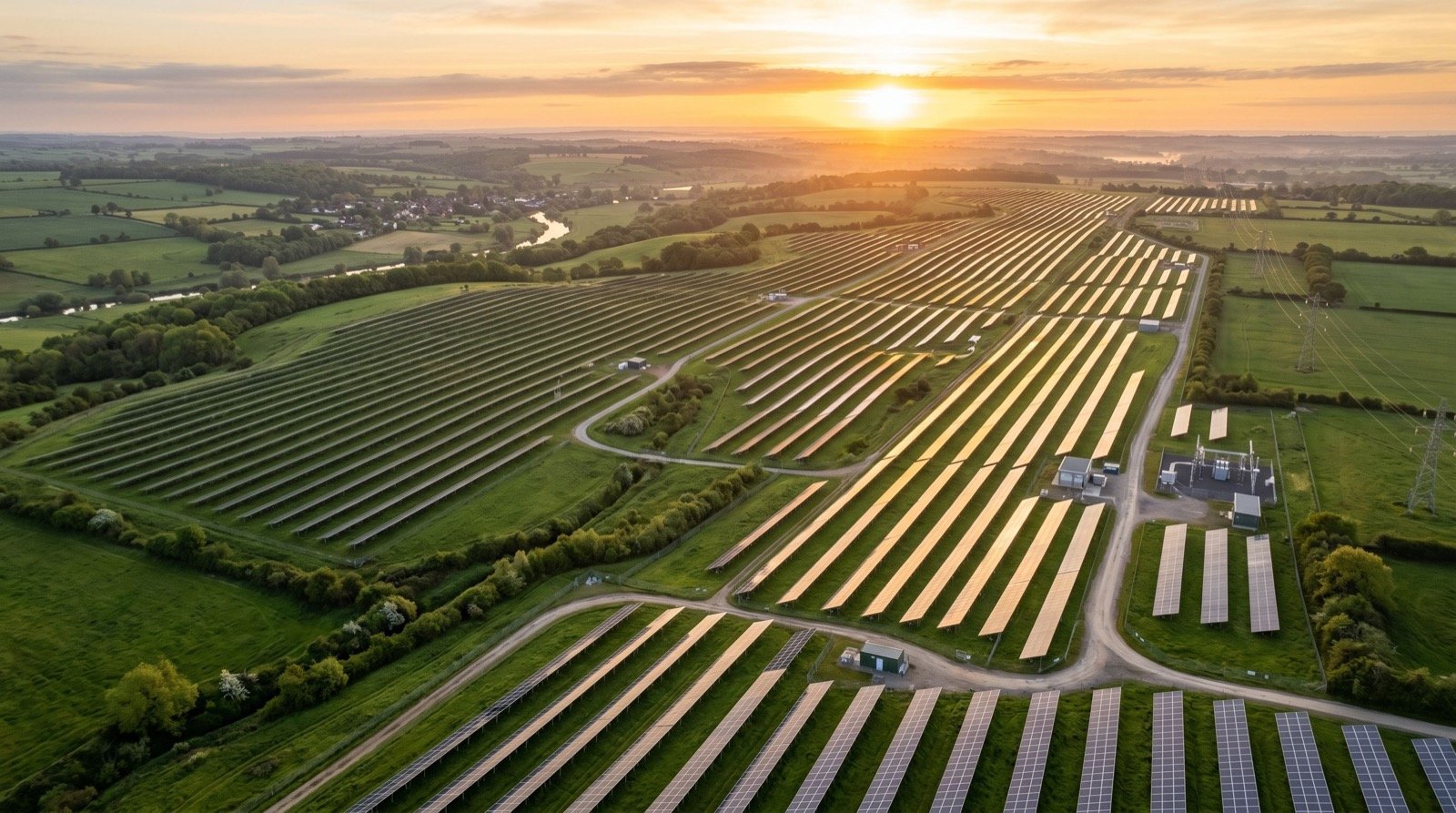
Pakistan sits in one of the sunniest zones on earth. According to the World Bank’s solar resource mapping, much of the country receives excellent year-round irradiation, as shown on the Global Solar Atlas. The sunshine is free. The value you capture from it depends almost entirely on the company that designs and installs your system.
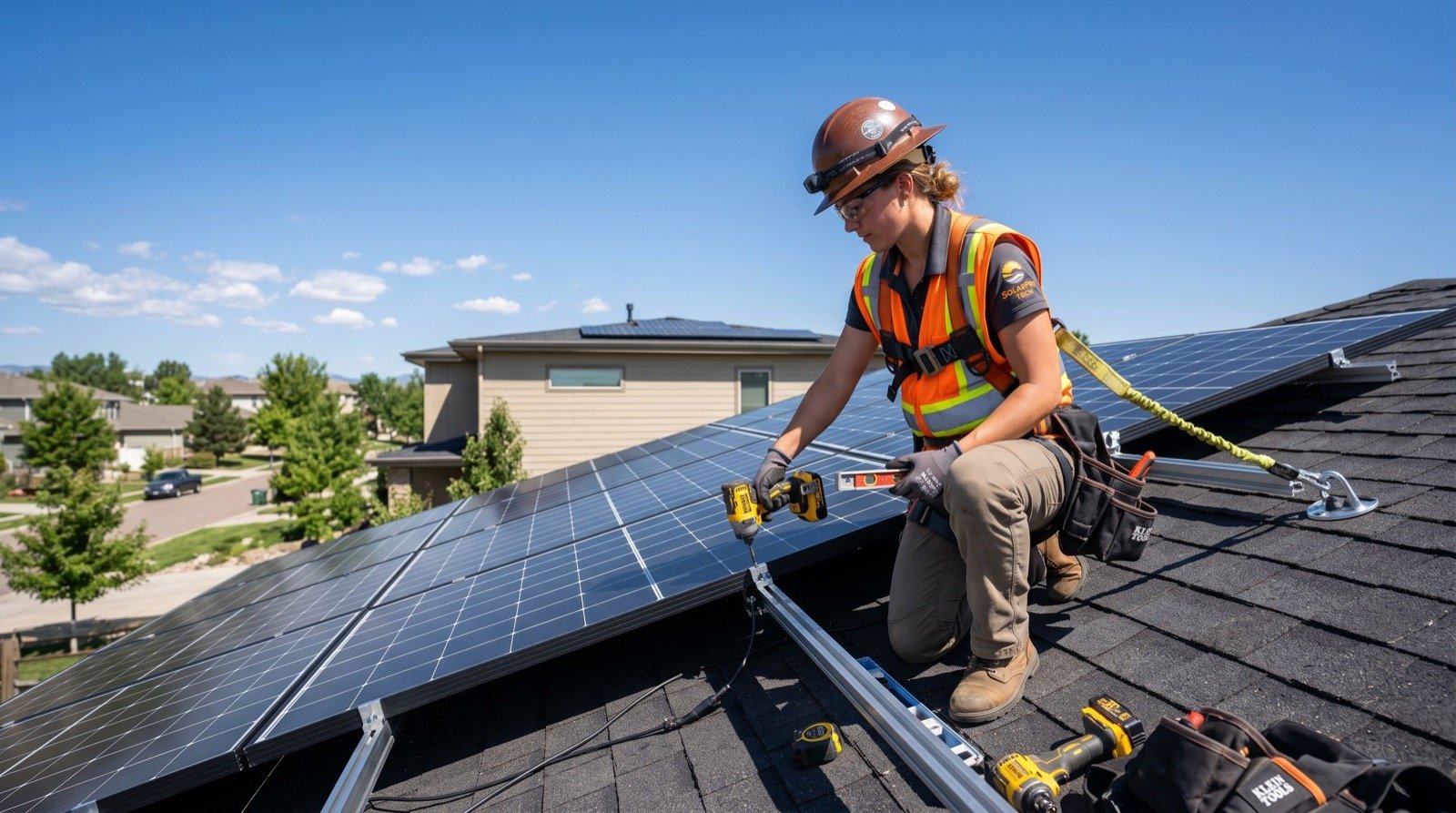
Good installers engineer for your real load, use genuine hardware, and stand behind their warranties. Poor ones oversize or undersize systems, cut corners on wiring, and vanish when something breaks.
The true cost of a cheap installer
A bargain quote often skips surge protection, uses thin cables, or fits a no-name inverter. The savings disappear the first time a fault damages your appliances or your net-metering inspection fails. Quality upfront is cheaper over the system’s life.
The 7-Point Checklist Before You Sign
Run every quote through this checklist. A reputable solar company in Pakistan will pass all seven without hesitation.
- AEDB certification and licensed engineers on the team.
- Named hardware with exact panel and inverter models in the proposal.
- Written warranties on panels, inverter, and workmanship.
- A load survey based on your actual bills, not a generic template.
- Net-metering support including paperwork and the bidirectional meter.
- Verifiable references and completed local projects.
- After-sales service with monitoring and a clear response time.
Understanding the Hardware
You do not need to be an engineer, but knowing the basics helps you compare quotes fairly. The table summarises the core components.
| Component | What It Does | What to Look For |
|---|---|---|
| Panels | Convert sunlight to DC power | Tier-1 mono PERC or N-type, 25+ year warranty |
| Inverter | Convert DC to usable AC | Reputable brand, hybrid if you want batteries |
| Mounting | Secures panels to the roof | Corrosion-resistant, wind-rated structure |
| Battery (optional) | Stores power for outages | Lithium with good cycle life |
Panels and inverters are not interchangeable commodities
Two quotes at the same price can differ enormously in quality. Always compare the specific models, their warranties, and their efficiency ratings rather than just the headline kilowatt figure.
What Does a System Cost and What Will You Save?
A typical 5 kW residential grid-tied system costs roughly 900,000 to 1,150,000 rupees installed in 2026. With net metering offsetting your high grid tariff, most homeowners recover that investment in three to five years.
- Lower monthly bills from day one.
- Net-metering credits for surplus units exported to the grid.
- Protection from tariff hikes that keep climbing each year.
- Higher property value for a home with a quality array.
Working with trusted professionals to model your specific savings keeps expectations realistic and the numbers defensible.
Buying Solar in Islamabad
The capital region has distinct seasons, with cold, sometimes foggy winters and hot summers. A good solar company in Islamabad accounts for this by optimising panel tilt for year-round yield and planning for winter fog that briefly trims morning output.
Islamabad’s relatively clean air compared with dustier cities means less frequent cleaning, though a periodic rinse still protects performance. Net-metering applications route through the local distribution company under the national framework.
Red flags to walk away from
- Pressure to pay the full amount upfront before any work begins.
- Refusal to put warranties in writing.
- Vague proposals without specific equipment models.
- No physical office or verifiable project history.
How to Compare Three Quotes Fairly
Once you shortlist a few companies, the quotes will rarely look identical, and that is where buyers get confused. The trick is to normalise them so you compare like with like rather than being swayed by the lowest number.
Build a simple side-by-side sheet and fill in the same rows for every bidder. This single habit exposes hidden gaps faster than any sales conversation.
- System size in kilowatts and the exact panel model and wattage.
- Inverter make, model, and type, grid-tied or hybrid.
- Warranty terms for panels, inverter, and workmanship, in years.
- Scope of work, including net-metering paperwork and the bidirectional meter.
- Payment schedule and what each milestone covers.
When you lay it out this way, a cheap quote that skips net-metering support or fits a weaker inverter suddenly looks far less attractive than its price first suggested.
Think in lifetime cost, not sticker price
A system that costs a little more upfront but generates reliably for 25 years beats a bargain that underperforms or fails early. Divide the total cost by the expected lifetime generation to compare the real cost per unit, and the quality option usually wins clearly.
Frequently Asked Questions
How do I know if a solar company is genuinely certified?
Ask for their AEDB registration and cross-check it. Certified firms employ licensed engineers and follow national installation standards, which protects your safety and your warranty.
Should I pay the full price before installation?
No. A fair contract uses milestone payments, such as an advance, a payment on delivery, and a final payment after commissioning and testing. Full prepayment is a major red flag.
How long should my panels last?
Quality panels carry a 25 to 30 year performance warranty and typically keep generating useful power beyond that. The inverter may need replacement once in that span.
Is net metering worth the paperwork?
Yes. Net metering lets you sell surplus power back to the grid and dramatically improves your payback period, so the one-time application effort pays off for decades.
Conclusion and Next Step
Choosing the right solar company in Pakistan is more important than chasing the lowest price. Use the seven-point checklist, compare hardware model by model, insist on written warranties, and watch for red flags. Do that in Islamabad or anywhere in the country and you lock in decades of clean, affordable power. Ready to start? Request a free consultation and a transparent, itemised quote today, and take control of your electricity bill in 2026.