
Drive-Thru Solution in Pakistan: Smart Growth Guide 2026
A well-designed drive-thru solution in Pakistan is no longer a luxury reserved for international fast-food chains. In 2026, local pharmacies, banks, fuel retailers, and homegrown restaurant brands are all discovering that serving customers through a car window can unlock faster service, lower crowding, and a fresh revenue stream. This guide walks through how drive-thru technology is adapting to Pakistani cities, what it costs, and how to build a lane that actually performs.
From Karachi’s traffic realities to Lahore’s dense commercial strips, the right design choices make the difference between a smooth lane and a street-blocking jam.
Why a Drive-Thru Solution in Pakistan Makes Sense Now
Three forces are driving adoption. Car ownership keeps rising, consumer expectations around convenience have jumped, and operators want formats that work during heat, rain, and peak congestion. A drive-thru answers all three at once.
Pakistan’s digital commerce is expanding quickly too. Guidance from the State Bank of Pakistan on digital payments has made contactless, tap-and-go transactions mainstream, which is exactly what a fast lane needs to keep cars moving without cash fumbling.
Beyond burgers
While restaurants led the way, the most interesting 2026 growth is elsewhere. Pharmacies dispense repeat prescriptions curbside, banks offer drive-up cash services, and grocery brands run click-and-collect lanes. The format is flexible.
Core Components of a Modern Lane
A reliable drive-thru is a system, not a single gadget. The essential building blocks include:
- Order point — a clear menu or service board with a confirmation screen.
- Communication — noise-cancelling audio for busy roadsides.
- Lane sensors — to time each stage and count vehicles.
- Digital payment — card, wallet, and QR acceptance at the window.
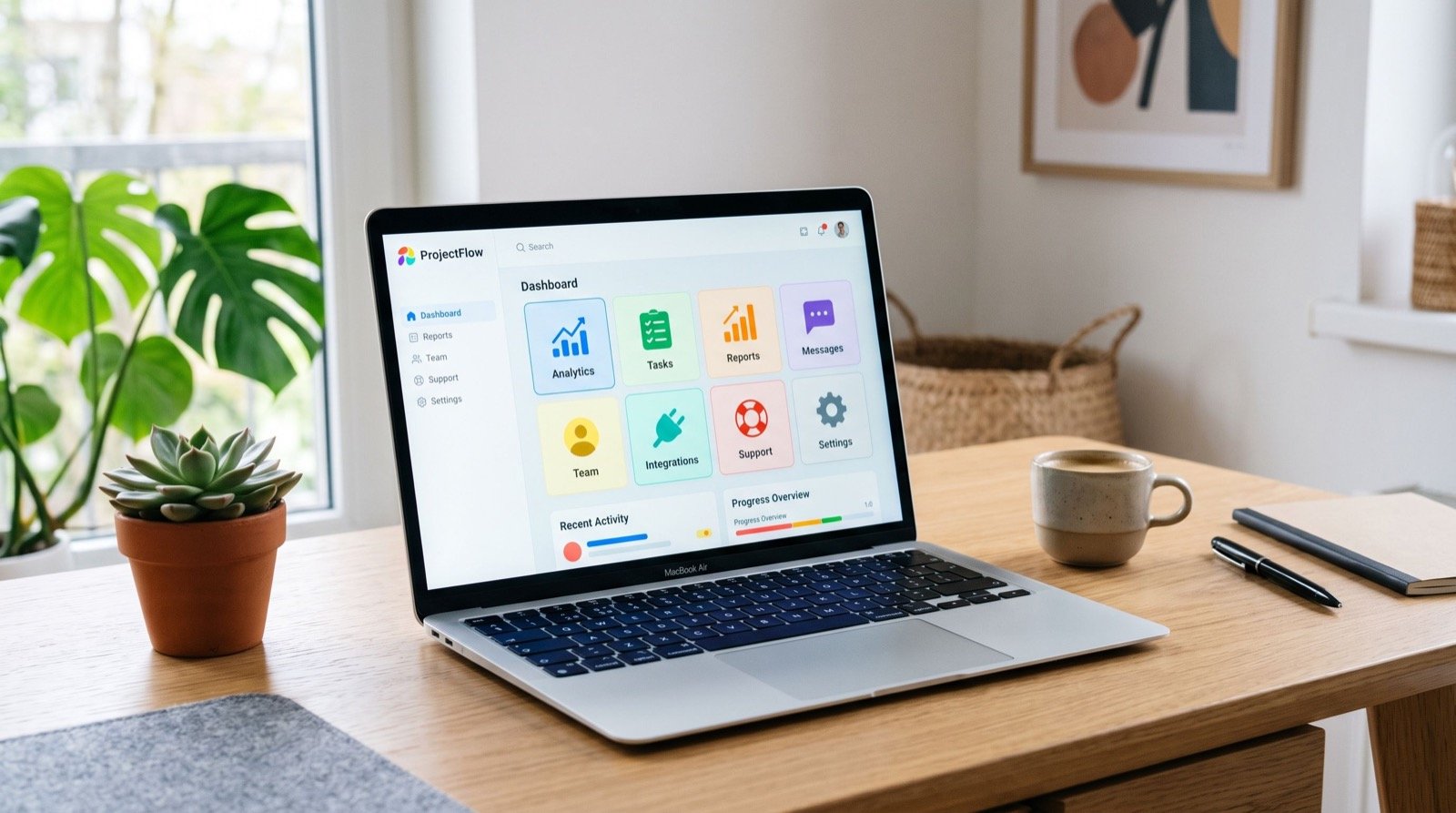
- Analytics dashboard — live and historical performance data.
- Local support — on-ground maintenance and spare parts.
To see how these pieces fit a local context, explore this purpose-built Drive Thru Solution in pakistan, which is tuned for local payment habits, power conditions, and roadside layouts.
How Do You Design a Lane That Fits a Pakistani City?
Layout is where many projects succeed or fail. In dense urban plots, you rarely have the generous forecourt of a highway site, so sequencing and stacking depth must be planned carefully.
Start by counting how many cars can queue without spilling onto the main road. Then decide whether a single lane, a bypass lane, or tandem ordering suits your plot. The goal is to protect public traffic while keeping your own flow steady.
Managing the indoor–outdoor balance
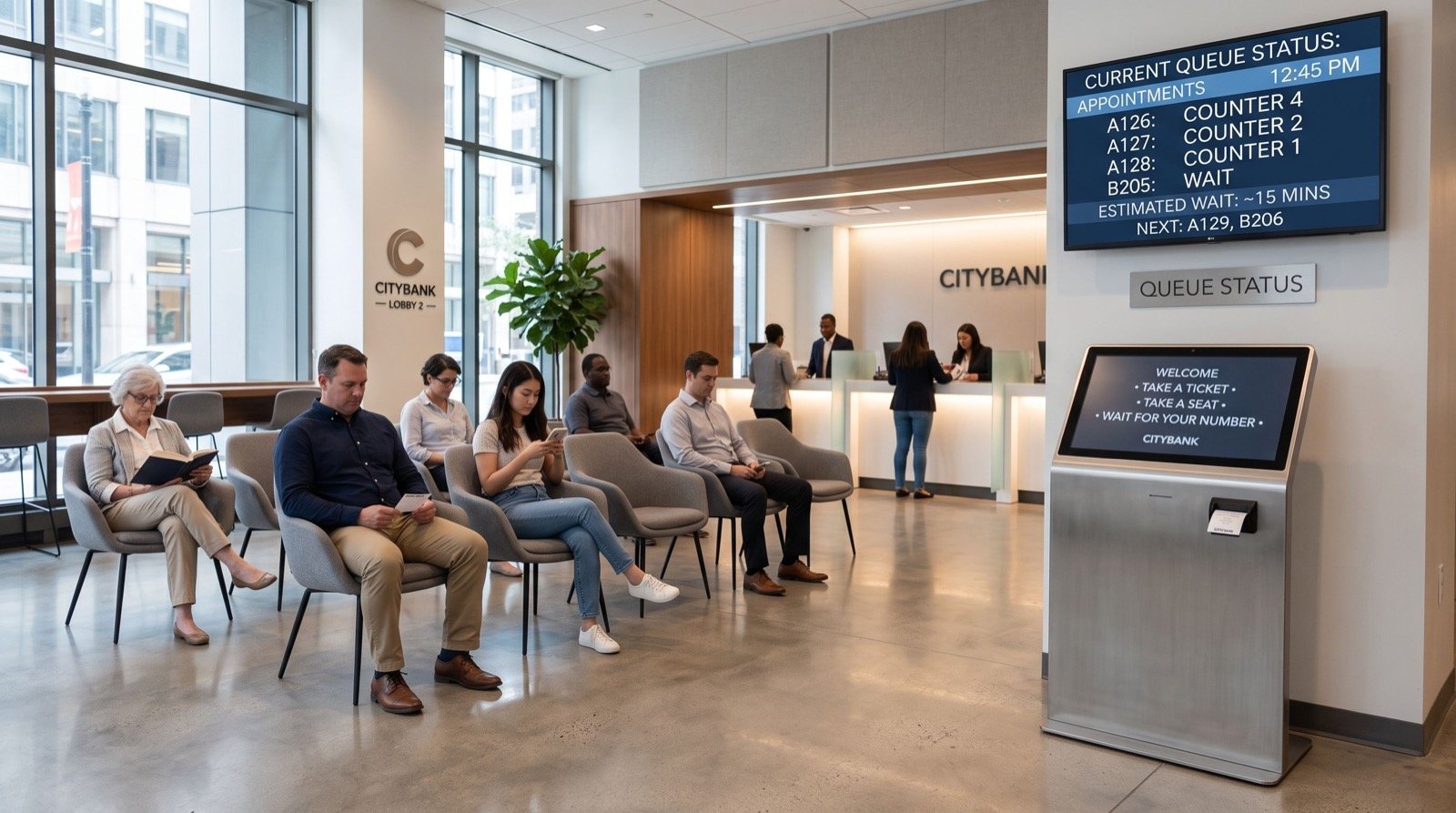
Many Pakistani branches serve walk-ins and drive-thru from one kitchen or counter. Linking the lane to an in-store queue management system lets one dashboard balance both channels so neither group is left waiting while the other is served.
Cost and Return Overview
Budgets vary with scale, but the table below gives a realistic picture of what Pakistani operators evaluate in 2026.
| Setup level | Typical scope | Best suited to | Payback focus |
|---|---|---|---|
| Basic lane | Board, audio, window | Small cafes, pharmacies | Added convenience sales |
| Smart lane | Sensors, timers, digital pay | Regional chains | Throughput and accuracy |
| Connected lane | Full analytics, multi-branch | National brands | Network-wide optimisation |
A Step-by-Step Launch Plan
Bringing a lane online in Pakistan runs smoothest when you work in order:
- Assess your plot for stacking depth and safe entry and exit.
- Confirm reliable power with a backup for sensors and screens.
- Choose a payment mix that includes cards, wallets, and QR.
- Install and calibrate the order point and lane sensors.
- Train staff on scripts, timing targets, and peak protocols.
- Run a soft launch, read the data, then adjust before full promotion.
One practical insight from local rollouts: plan for power interruptions from day one. Branches that put sensors, the order screen, and the payment terminal on a small UPS avoid the single most common cause of lane downtime in Pakistani conditions.
Because site conditions differ so much between cities, working with trusted professionals who survey your plot and handle installation end to end will save costly rework later.
Industries Adopting Drive-Thru Fastest
The format’s flexibility is driving adoption well beyond fast food. Across Pakistani cities in 2026, several sectors are testing lanes with impressive early results.
Pharmacies lead the non-food wave, offering contactless prescription pickup that suits elderly and unwell customers who prefer not to park and walk. Banks run drive-up cash and cheque services during peak salary days. Grocery and bakery brands use lanes for pre-ordered collection, smoothing their in-store crowds at the same time.
Telecom and service counters
Telecom retailers are an emerging adopter too. Quick SIM top-ups, device pickups, and bill payments map neatly to a fast lane, letting stores serve routine tasks curbside while complex account changes stay inside at the service desk.
Planning for Local Conditions
Succeeding in Pakistan means designing for realities that imported playbooks ignore. Summer heat demands weather-sealed outdoor screens, monsoon rain calls for canopies over the order point, and dust requires sensors rated for the environment.
Connectivity matters as much as hardware. Choose equipment that can buffer transactions locally and sync when the network returns, so a brief internet drop never stops the lane. This resilience is what keeps a Pakistani drive-thru dependable through conditions that would stall a fragile setup.
- Heat: use high-brightness, sealed outdoor displays.
- Rain: canopy the order and payment points.
- Dust: specify ingress-protected sensors and housings.
- Network: enable offline buffering and auto-sync.
An original, practical tip: test your lane during the worst twenty minutes of your local rush hour, not a quiet afternoon. The design that survives genuine peak traffic — horns, impatience, and all — is the one worth rolling out across every branch.
Frequently Asked Questions
What does a drive-thru solution in Pakistan cost?
Costs scale with ambition. A basic lane for a cafe or pharmacy is modest, while a connected multi-branch system with full analytics is a larger investment. The right level depends on your traffic volume and growth plans.
Can smaller businesses use a drive-thru format?
Yes. In 2026, pharmacies, bakeries, and independent cafes are adopting compact lanes. The key is matching lane size to your plot and keeping the order-to-window journey short and clear.
How does it handle load-shedding or power cuts?
A good design places critical components on backup power or a UPS, so the order point, sensors, and payment terminal keep working through short interruptions.
Does the lane support digital payments?
Modern lanes accept cards, mobile wallets, and QR payments, aligning with the national shift toward contactless transactions and keeping the window fast.
Conclusion
A smart drive-thru solution in Pakistan can turn roadside traffic into loyal, repeat revenue — if you design for local plots, power realities, and payment habits. Start with a plot assessment, pick the right setup level, and let the data guide your refinements through 2026. Ready to build a lane that moves? Book a site survey and demo today and give your customers a faster way to buy.